Across Ethiopia, community-level concerns about human rights, governance, and public participation do not always reach the decision-makers responsible for addressing them. Civil Society Organizations (CSOs) often have direct knowledge of these concerns, while media organizations have the platforms to bring them to public attention. Yet, without sustained collaboration, these efforts can remain disconnected.
Through the Connecting the Links: Promoting CSOs-Media Collaboration for an Advocacy Campaign project, the Consortium of Ethiopian Human Rights Organizations (CEHRO), in partnership with Welthungerhilfe (WHH) and with funding from the European Union (EU), is helping bridge this gap by bringing CSOs, media organizations, and government stakeholders together through regional Communities of Practice (CoPs).
Established in Afar, Amhara, Benishangul-Gumuz, and Oromia regions, the CoPs provide a platform for members to identify shared governance and human rights concerns, develop joint advocacy initiatives, engage government institutions, and bring local issues into public discussion through the media.
Recent initiatives in Bahir Dar, Amhara Region, and Assosa, Benishangul-Gumuz Region, demonstrate how these partnerships are creating opportunities for dialogue, strengthening public engagement, and advancing more inclusive governance.
Amhara Region: Turning the Recent Regional CSO Proclamation into an Opportunity for Advocacy
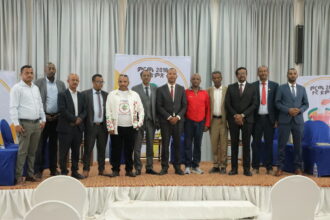
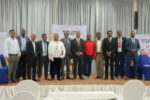
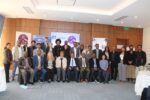
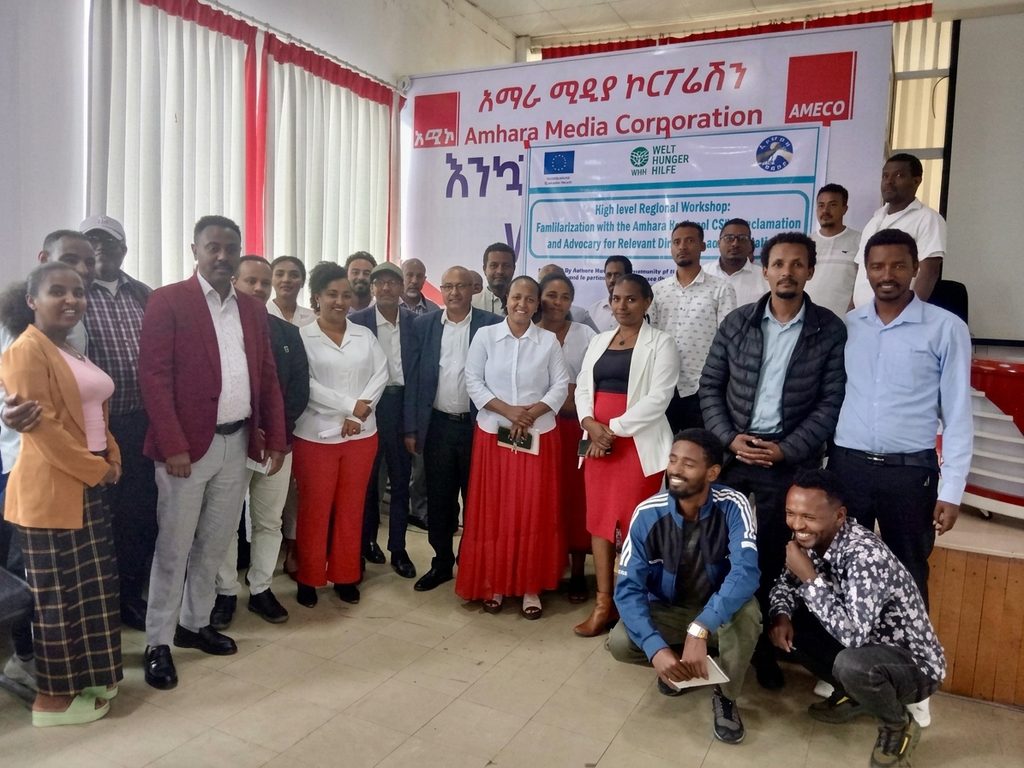
In Bahir Dar, the Amhara Regional CSO-Media CoP convened an advocacy consultation at the Amhara Media Corporation (AMECO), bringing together civil society representatives, regional government officials, community and religious leaders, disability organizations, and media representatives. The consultation was part of a broader advocacy effort by the CoP to address operational challenges facing CSOs under the regional regulatory framework. Prior to the consultation, CoP members conducted engagement with relevant stakeholders, including office-level communications and the submission of an advocacy letter outlining key concerns and recommendations for harmonizing federal and regional CSO regulations. The members also visited AMECO to engage the media on the issues, while individual CSO members amplified related advocacy messages through their social media platforms.
The consultation workshop focused on the implementation of the Amhara Regional CSO Proclamation No. 294/2025 and the need for supporting directives and regulations to translate its provisions into practice.
Mr. Alelign Mekonen, Head of the CSO Core Process at the Amhara Regional Justice Bureau, presented six draft directives addressing areas including CSO registration, audit standards, income-generating activities, and professional associations. The discussion provided CSOs with an opportunity to raise practical concerns and contribute recommendations on the proposed regulatory frameworks.

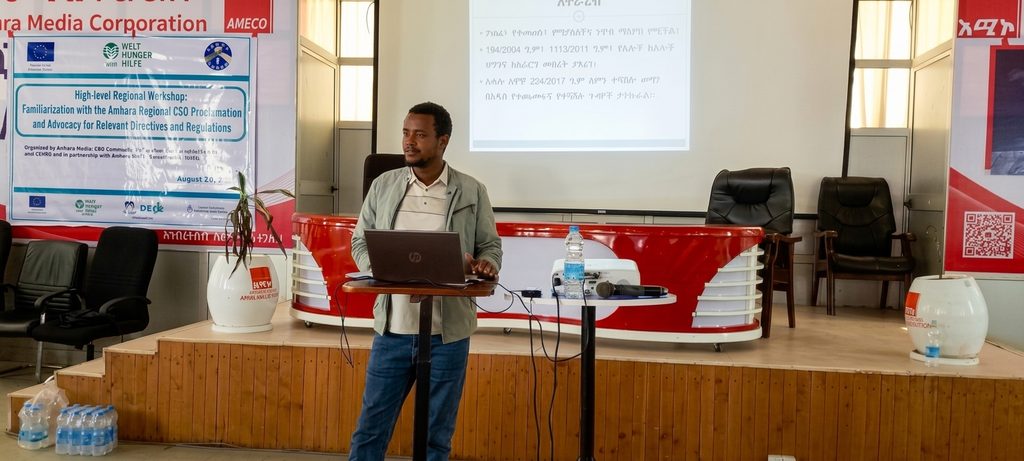
With contributions from panelists, including Mr. Yirsaw Tamirie, Advisor to the Speaker of the Regional Council, participants discussed the importance of ensuring that the directives respond to the operational realities of CSOs. Key considerations included gender responsiveness, accessibility for persons with disabilities, and provisions that support CSOs’ resource mobilization.
The consultation provided an opportunity for CSOs to present their recommendations on the proposed directives and engage directly with regional government representatives on regulatory issues affecting the civil society sector. Representatives of the Bureau of Justice and the Regional Council acknowledged the need to move forward with the enactment of the draft directives and the development of additional directives where necessary, with CSOs contributing to the process. This agreement marked an important step in the ongoing engagement between civil society and regional authorities, creating an opportunity for continued collaboration on a clearer and more enabling regulatory framework for CSOs.
The discussions also received media support through Fana, an active member of the regional CoP, helping extend the visibility of the issues beyond the consultation. While the development and enactment of the directives will require continued engagement and follow-through, the commitments made during the consultation represent progress in bringing CSO concerns into discussions on the regional regulatory framework.
Benishangul-Gumuz Region: Bringing Accountability and Inclusion into Public Conversation
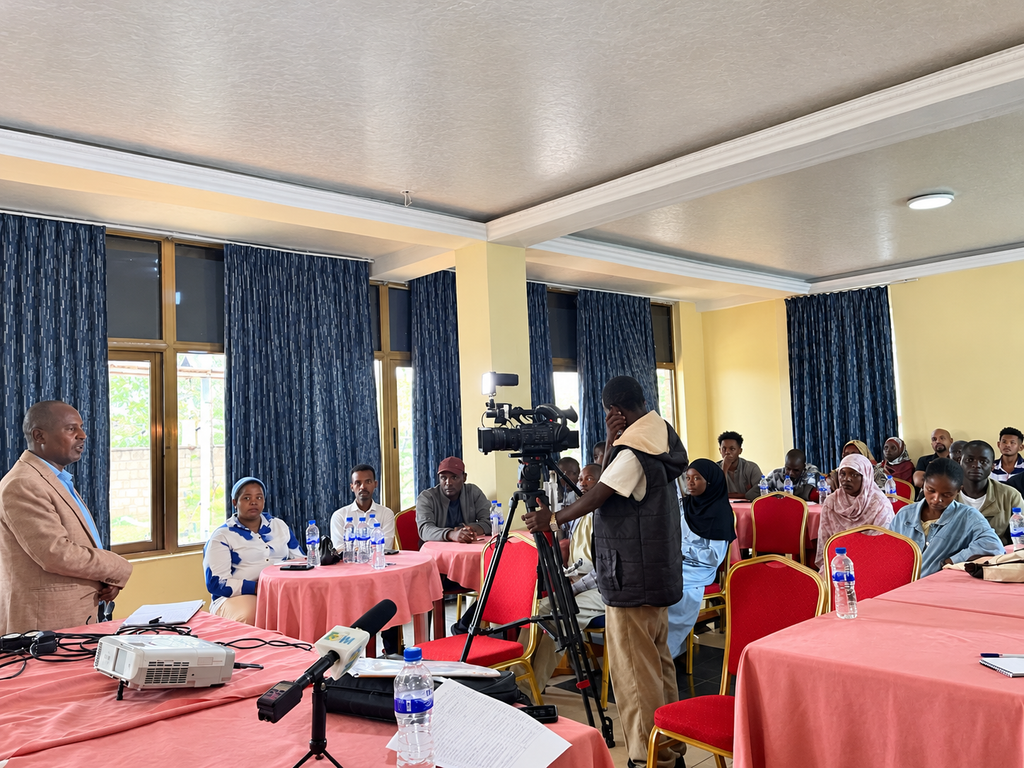
In Assosa, the Benishangul-Gumuz Regional CoP used television as a platform to extend civic dialogue beyond formal meetings and reach a wider public audience. Working in partnership with Benishangul-Gumuz Media (BGM), the CoP organized two televised panel discussions addressing post-election accountability and the participation of underrepresented groups in governance.
Promoting Peaceful Post-Election Engagement and Accountability
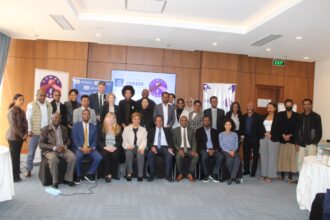
The first panel discussion focused on peaceful post-election transition, democratic accountability, and community resilience. It brought together CSO representatives, regional representatives of the National Election Board of Ethiopia (NEBE), political party leaders, traditional elders, religious figures, and women’s group representatives.
The discussion emphasized peaceful engagement following elections, respect for electoral processes, and the importance of resolving disputes through lawful means. By bringing together actors with different roles in the electoral and governance processes, the panel created an opportunity to discuss how communities and institutions can contribute to stability and accountability during the post-election period.
Broadcast on BGM television, the discussion extended these conversations beyond the participants in the room, allowing a broader audience to engage with issues central to democratic participation and peaceful coexistence.
Advancing the Political and Civic Inclusion of Women and Youth
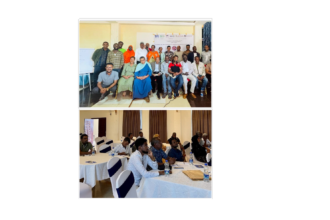
Building on this engagement, the CoP organized a second televised panel discussion and workshop on the political, social, and economic inclusion of women, youth, elders, and persons with disabilities.
Panelists included Mr. Yosef Weyila from the Regional Bureau of Women and Social Affairs, W/ro Haymanot Taddese of the Regional Women’s Association, and Mr. Fantahun Melese of BGDAN. They discussed barriers that limit the participation of these groups in public life and explored practical actions that civil society and regional institutions could take to promote more inclusive governance.
The discussion highlighted the importance of moving beyond recognizing the challenges faced by underrepresented groups to creating meaningful opportunities for their participation in decision-making processes.
For Benishangul-Gumuz Media, the partnership also reflects the role regional media can play in shaping public understanding and encouraging participation.
As Mr. Tasew Ejeta, Radio News and Program Director at Benishangul-Gumuz Media, explained:
“Benishangul-Gumuz Media is actively shaping content that gives voice to women and youth. Beyond providing news, our platform serves to shape public perception, accelerate social change, and ensure inclusive participation in governance.”
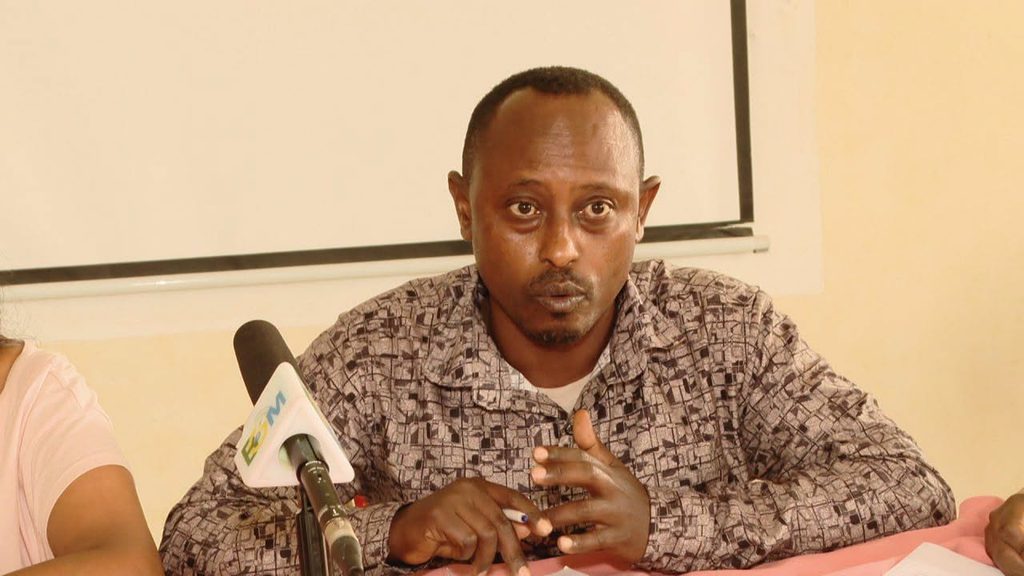
The two panels illustrate how collaboration between CSOs and media can bring governance issues into public discussion, connect diverse stakeholders, and create more opportunities for voices that are often underrepresented in decision-making.
Sustaining Collaboration Beyond Individual Activities
The experiences in Bahir Dar and Assosa demonstrate the value of bringing CSOs, media organizations, and government stakeholders together around shared concerns. In Amhara, the CoP provided a platform for civil society to contribute to discussions on the implementation of regional CSO legislation. In Benishangul-Gumuz, collaboration with regional media helped extend conversations on accountability and inclusion to a wider public audience.
These initiatives reflect the broader purpose of the Connecting the Links project: strengthening the connection between community-level concerns, collective civil society advocacy, public communication, and engagement with decision-makers.
The experience of the regional CoPs offers a practical example of how sustained collaboration between civil society and media can help make local concerns more visible, strengthen public dialogue, and create opportunities for more responsive and inclusive governance in Ethiopia.